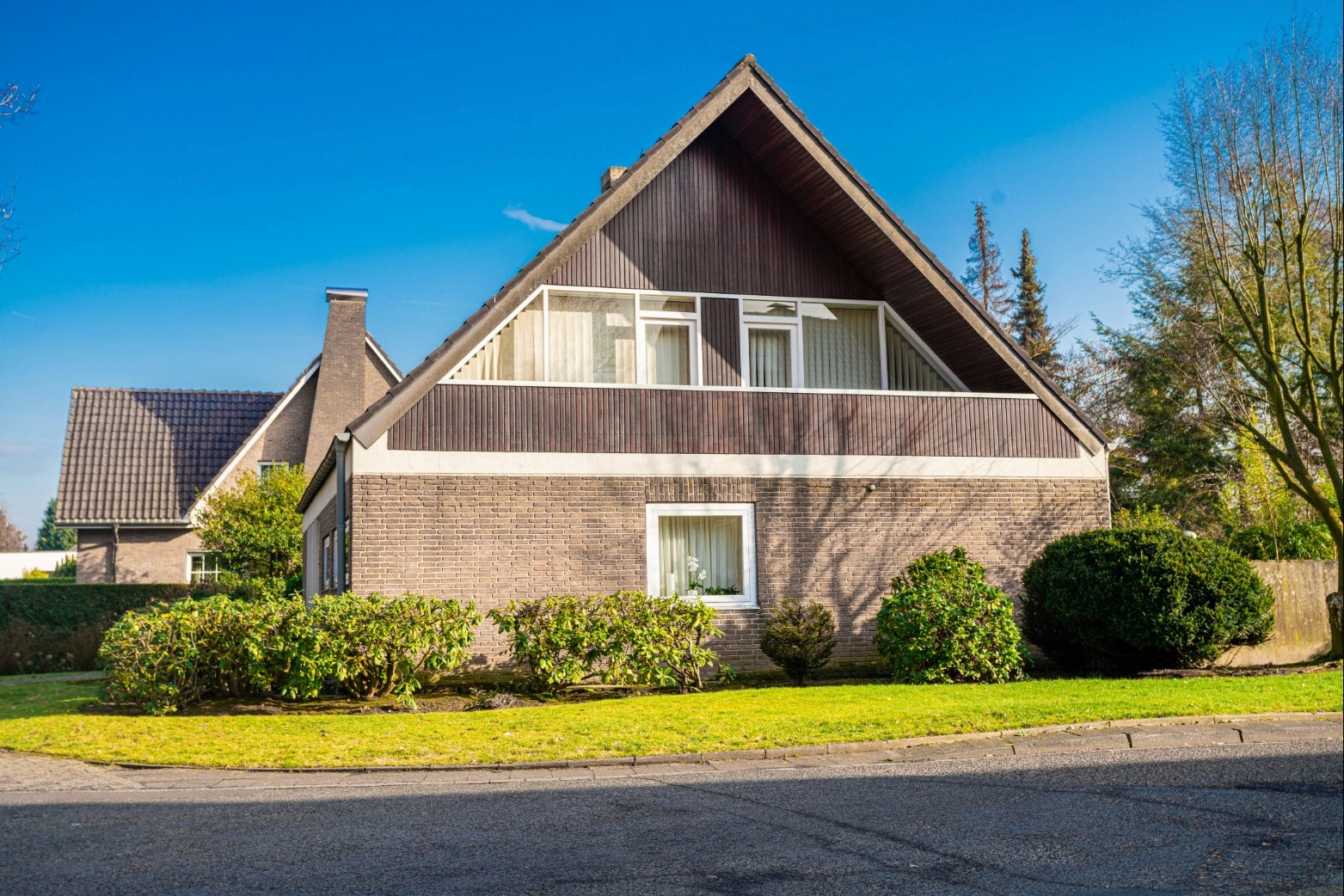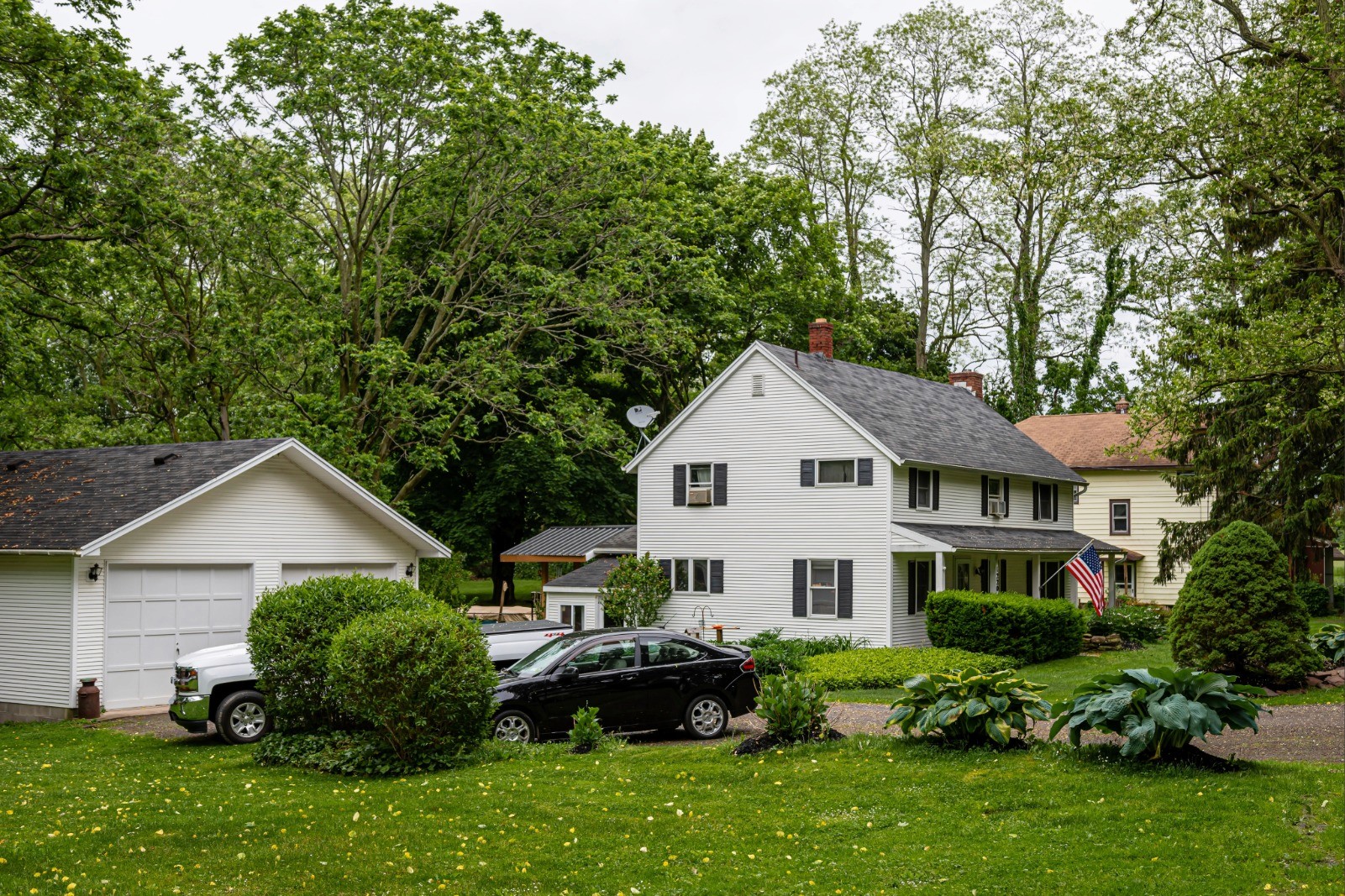


For most of the past four years, buyers had little to negotiate with. You made your offer, waived contingencies, paid over asking, and hoped. That market is gone. As of mid-2026, there are roughly 48.5% more home sellers than buyers in the U.S. housing market. Sellers are cutting prices on about one in three listings, and they're handing out concessions (closing cost credits, rate buydowns, repair allowances) on nearly half of all closed sales.
Buyers who understand that shift will negotiate better deals. Buyers who don't will pay more than they need to.
The Short Answer
When sellers outnumber buyers, you have more room to ask for more. You can ask for a lower price, better terms, seller-paid costs, and contingency protections you might have been afraid to include even two years ago. How much room depends on how long a home has been sitting, where you're buying, and what a seller actually owes. Know those three things before you make an offer.
What the Data Says
The National Association of Realtors (NAR) reported that active inventory hit 1.56 million units in June 2026, equal to a 4.6-month supply. Economists generally consider 5 to 6 months a balanced market. The pandemic-era frenzy ran on a sub-2-month supply, so the current number represents a meaningful shift.
A few other figures:
Active single-family inventory averaged 823,902 units in June 2026, up from roughly 628,000 a year earlier and more than double the level during the pandemic low.
The median existing-home price reached $440,600 in June 2026, an all-time high, even as list prices have fallen 2.4% year-over-year for seven straight months. Sellers are pricing homes high and then cutting.
Seller concessions appeared in 46.2% of closed sales during the spring of 2026, the highest share on record.
70% of the 100 largest U.S. metro markets favor buyers or are trending in that direction, according to the Realtor.com Market Clock Q2 2026 report.
That last number comes with a catch. The other 30% of markets, concentrated in the Northeast and parts of the Midwest, remain firmly in sellers' favor, where homes move fast and buyers still compete. More on that below.
Why This Matters Now
When sellers outnumber buyers, homes sit longer. The longer a home sits, the more negotiating room you have.
According to data from Realtor.com's weekly housing tracker, active inventory held above 1.1 million for five consecutive weeks heading into late July 2026, a streak not seen since November 2019. That leverage is concrete and measurable. When a seller has watched their listing sit through two or three price reductions, their willingness to negotiate on terms increases considerably.
The other reason this matters: mortgage rates remain near 6.9% as of late July 2026. Most buyers are sensitive to monthly payment, which means there's real financial value in asking for a rate buydown instead of, or in addition to, a price cut. On a $400,000 home, a $10,000 seller concession used to buy down the rate saves roughly twice as much on your monthly payment compared to applying the same $10,000 as a price reduction.
What Buyers Should Do
1. Check How Long the Home Has Been Listed
Days on market is your first signal. A home listed under 30 days is fresh: the seller still believes in their price, and opening too low risks losing credibility. A home sitting for 45 to 60 days tells a different story. The seller has already watched buyers pass. Your offer can start below asking.
Check the listing history. One or more price cuts tell you the seller has already signaled flexibility.
2. Ask for Seller Concessions and a Lower Price
Sellers who've been waiting often prefer to stay at their asking price but give ground on the terms. Concessions put cash back in your pocket without requiring the seller to drop their number. Alongside a price reduction, or instead of one, request:
Closing cost credits, which reduce your cash needed at closing
A seller-paid rate buydown, which lowers your mortgage interest rate and monthly payment
A repair credit if the inspection finds issues. A credit keeps the transaction moving and lets you manage the repairs on your own timeline.
Conventional loan rules set by Fannie Mae and Freddie Mac cap how much a seller can contribute: 3% of the purchase price if your down payment is under 10%, or 6% if it's between 10% and 24.99%. Know your ceiling before you ask.
3. Include Your Contingencies
In 2021 and 2022, buyers routinely waived inspection and financing contingencies to compete. In most markets today, you can include them and sellers will still engage. They protect you if something unexpected turns up in the inspection or if your financing changes. Losing a deal because a contingency scared off a seller is far less common when that seller has been waiting three months for an offer.
4. Use Time as a Tool
A closing date that works for the seller can carry more value than a few thousand dollars. If a seller needs to move quickly, offer a fast close. If they're waiting for their own purchase to line up, offer flexibility on the timeline. Ask your agent, or ask directly through your agent, what matters most to the seller. Price and timeline together shape the deal.
5. Compare to Your Own Numbers
Before you negotiate, run your own numbers. What's the monthly payment at asking price versus 3% below asking? What does the monthly payment look like if you negotiate a one-point rate buydown versus taking a price reduction? One of those options will save you more money depending on your down payment and loan term. Calculate both before you decide what to ask for.
What Sellers Should Do
If you're selling in a market where inventory is elevated, decide before you list how far you'll go on price, concessions, and timeline. Buyers will test all three.
Price Realistically From the Start
Homes that launch at the seller's target price, above what the market will bear, tend to sit. Once a listing accumulates days on market, buyers will want a steeper discount to compensate for the stigma. According to NAR's Housing Mismatch Report from May 2026, much of today's supply is concentrated at price points above what most buyers can qualify for. A home priced to match your local market moves faster and typically nets more than a home priced high that eventually gets cut.
Decide in Advance What You'll Concede
When buyers ask for concessions, a seller who has a clear limit responds faster and loses fewer deals. Before you list, decide:
How much in closing costs or credits you're willing to cover
Whether you'd accept a rate buydown request
What inspection repairs you'll do versus offer as credits
Having those answers ready lets you respond to any offer the same day instead of going back and forth for a week.
Understand Your Net Proceeds
A $15,000 price reduction and $15,000 in seller-paid closing costs feel identical on paper, but they have different tax and cost implications. Closing costs paid by the seller count as a selling expense but are generally not tax-deductible. A lower sale price may reduce your capital gains exposure if the home has appreciated substantially. Talk through the math with your accountant before accepting or countering any offer.
Risks, Exceptions, and Regional Differences
Not Every Market Is a Buyer's Market
The national average masks significant local variation. Seven of the 100 largest U.S. metros remain outright seller's markets, concentrated primarily in the Northeast and parts of the Midwest. Hartford, Connecticut has ranked as the nation's hottest housing market for multiple months in 2026. In metro New York, inventory remains constrained and competition is real.
If you're buying in Boston, Providence, or most of the New York metro area, expect competing offers and a faster pace. Check local months of supply before making assumptions about how much room you have.
Days on Market Can Mislead You
A home might be newly listed but priced well below what it tried for six months ago under a different listing agreement. Always check the full listing history. Your agent can pull this from the MLS.
High Prices Haven't Gone Away
Even in buyer-friendly markets, the median existing-home price hit $440,600 in June 2026, an all-time high, per NAR. Negotiating room brings that number down, and the floor is still high. If rates stay near 6.9%, a $440,000 home with 10% down carries a monthly payment of roughly $2,800 to $3,000 before taxes and insurance. Confirm that payment fits your actual budget before you make an offer.
Seller Concession Limits Apply
Fannie Mae and Freddie Mac concession caps are real. If a seller agrees to contribute 7% of the purchase price and you're putting down 8%, your lender will reduce the allowable credit to 3%. The extra just disappears. Know the limit for your loan type before you ask for more than you can use.
Conclusion
When sellers outnumber buyers, your opening position is stronger than it's been in years. You can ask for price reductions, concessions, and contingency protections that would have gotten your offer rejected in 2021. Use that leverage thoughtfully: start with what matters most to your budget (monthly payment vs. upfront cash), check how long the home has been sitting, and build an offer around those priorities.
Check your local market before you act on the national picture. Leverage is real and measurable in Miami, Nashville, and Austin, where inventory is elevated and sellers are conceding on both price and terms. Hartford and most of the Northeast run on tighter inventory, where sellers hold more ground. Run your numbers on the specific home, in the specific market, at the specific rate you qualify for today.
Signup to Aligre
Popular Posts

Jul 8, 2026
Seller concessions can cover closing costs, rate buydowns, repairs, or HOA fees, and buyers often leave that leverage on the table.
Read More
Read More
Jul 8, 2026
Jul 8, 2026